One day, my friend Leila shared a photo of her dog Rocky. He was chewing on a fancy grain free kibble. She wrote that he finally had the best diet ever. I saw it and felt a bit lost as a pet parent. I wanted my cat Luna to have the best meals too.
So I changed her food. I put her on a grain free diet. I thought I was doing something great. But after a few weeks Luna got stomach issues. She threw up. Her stools got soft. Her energy dropped. I did not understand it. I truly believed grain free meant better.
Leila learned a lesson. I did too. Many pet owners fall for pet nutrition myths. Some diets look cool but they can hurt our pets. Even a raw diet or a new trend can go wrong. We must know what real science says. This keeps our pets safe.
Read more: How to Choose the Right Pet Food for Your Furry Friend: A Comprehensive Guide to Optimal Nutrition
Pets cannot speak to us. They cannot say they are in pain. One small mistake in food can hurt them for a long time. With time the wrong diet can lead to big health issues. Many owners only learn this after their pets suffer.
Grain-Free Pet Nutrition Myth
Grain-free diets are everywhere, marketed as “healthier” or “better for digestion.” Many owners assume grains are the enemy, thinking “dogs and cats don’t need them anyway.” Grains give fiber and protein and important vitamins.
They help the stomach work well. When you remove them without any reason you can upset your pets diet. This can even cause long term issues.
My friend Kane learned this the hard way. He put his dog Max on a grain free diet. The bag said grains are toxic. He believed it. After some months Max started to have heart trouble. The vet said it was linked to missing nutrients.
Read more: Pet Microchipping: Why now is the Time to get your Pet Chipped -Dec 2025
Some studies now show that grain free food may raise the risk of heart issues in dogs when the diet is not made well. The point is simple. Do not hate grains. Just make sure the food is balanced.
Many pet owners do not know this. Grain free food can replace good carbs with too much fat or too much protein. This can put stress on the kidneys. It can also cause weight gain. When you understand the grain free pet nutrition myth you make better choices. A diet based on real science keeps your pet healthy. It also helps them live a long and happy life.
Read more: Are Grain-Free Diets Bad for Dogs?
Raw Diet for Pets Risks
Raw feeding pets is a big trend. Many people think it is natural. They think it will help with digestion and shiny coats and strong teeth. But the truth is not that simple. Raw diet for pets risks are real. Raw meat can have bad germs like Salmonella or E coli. It can miss important nutrients. Bones can even cause choking.
I remember one client very well. She gave her dog raw chicken and raw fish. She thought she was doing a good thing. But after some weeks her dog got very sick. He had bad diarrhea and no energy.
The tests showed a strong infection. She was heartbroken. She never knew her good plan could turn into danger. Raw food needs very clean hands and clean tools. It needs safe meat and the right added nutrients.
Read more: Choosing the Right Dog Coat: A Guide to Keeping Your Pet Warm and Stylish – September 2025
Vets warn that tiny pets like puppies and kittens and sick pets can get hurt even faster. Good commercial food gives all the nutrients pets need without these risks. The message is simple. Raw food sounds nice but the risks are real. If you try it, you must plan carefully. This is another example of pet nutrition myths in action.
Trendy Pet Diets vs Science
Pet food trends are everywhere now. You see fancy kibble and new foods like quinoa or kale or coconut oil. These foods look special. They sound healthy. But the truth is that marketing moves faster than real science. Many pet owners trust these labels. They see words like superfood or all natural and think it must be the best choice.
I saw a post on Instagram once. A dog was drinking a kale smoothie and coconut water. The picture was cute. The dog looked happy.
But a cute picture does not prove anything. It is not real evidence. Studies show that many trendy diets do not have all the nutrients pets need. If the food is not made carefully it can cause health problems later.
Check out: Pet Mouse: Creating the Perfect Habitat for Your Pet – June 2025
This is why understanding pet nutrition myths is essential. Talk to your vet before changing your pet’s diet. Do not follow every trend you see online. Science keeps your pet safe. Flashy marketing does not.
Are Grains Bad for Dogs and Cats?
Many owners worry about feeding grains. Carbs are bad and dogs are wolves! they say. But grains like rice oats and barley are safe. Pets can digest them with ease. These grains give fiber. They give energy. They give small but important nutrients that keep the body strong.
When you remove grains fully the diet can slip out of balance. Dogs and cats are not strict meat eaters. They can handle grains very well. The fiber in grains helps the stomach. It helps with smooth poop. Many owners miss this when they switch to grain free food.
My neighbor tried a grain free diet for her cat. She wanted fewer hairballs. But the cat got dry skin. The coat looked dull. The problem got better only when grains came back in the bowl. This proves that the idea that grains are bad is a pet nutrition myth. A healthy diet is about balance. It is about steady variety. Not about removing whole food groups.
Read more: Common Health Issues in Cats: Symptoms, Risks and Preventive Care – January 2024
Myths About Pet Food Ingredients
Terms like “natural,” “holistic,” or “limited ingredient” can mislead pet owners. While they sound healthy, many buy them without checking for complete nutrition. Ingredients labeled as “bad,” like corn or soy, are actually safe in moderation.
One client put her dog on a limited ingredient diet. It looked clean and safe. But it missed key nutrients. The dog grew weak. He lost muscle. He stopped playing. He had no energy. It was sad to see. This showed that trendy or “simple” food is not always good. Pets need full and balanced nutrition every day to stay healthy and active.
Read more: How to Stop Excessive Dog Barking: Proven Training Methods and Behavioral Solutions- July 2025
Reading labels carefully is very important. Do not trust fancy words on the bag. Words like “natural” or “limited ingredients” do not always mean healthy. Look for real value. Look for food that gives strength, energy, and balance. Science based diets work better than marketing. Understanding pet nutrition myths helps owners choose wisely.
How to Choose a Balanced Pet Diet
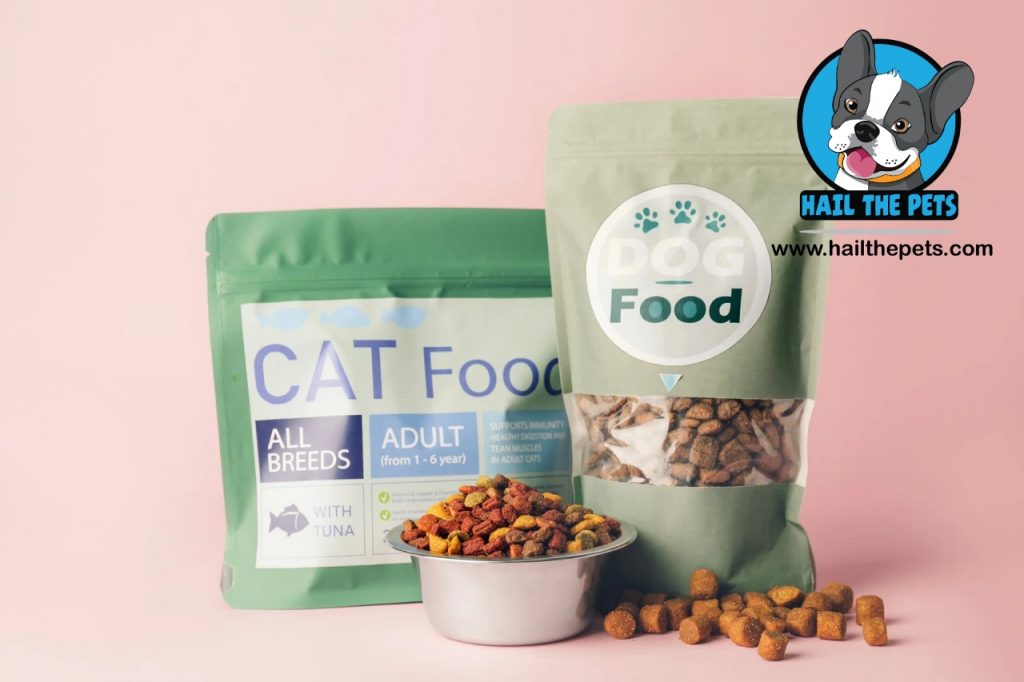
Pick food approved by veterinary nutrition experts. Check for AAFCO on the pack. Make sure the food has all key vitamins, minerals, and proteins your pet needs.
Introduce new food slowly. Mix a little new food with the old food over seven to ten days. Watch your pet closely. Check the poop, coat, energy, and mood. These signs show if the food is right. Slow changes help the stomach adjust. They reduce stress and keep your pet comfortable.
Read more: Dog Diet Plans for Weight Loss: How to Help Your Overweight Dog Get Fit- July 2025
Also remember every pet is different. What works for one may not work for another. Some pets need low-fat diets. Some need sensitive-stomach formulas. Others need high-protein food to stay active. Always pay attention to your pet’s daily habits.
Real Life Mistakes Pet Owners Make
Many owners think trends are always better. Raw diets, grain free meals, or tips from Instagram often guide their choices. I have seen dogs get sick from these fad diets. They develop urinary problems, skin issues, and upset stomachs.
One woman fed her dog a high protein and grain free diet. She thought it was premium and healthy. But the dog lost muscle and energy. It was very worrying to see. The dog was soon strong and active again after changing to a balanced diet with a vet’s help.
These mistakes are important to learn from. It shows that marketing isn’t always right. Knowledge and science are more important than fads.
How to Store Pet Food Safely
Food that is poorly stored frequently decays quickly. Raw food or kibble that has passed its expiration date can make your pet ill. Use sealed containers at all times. Store them somewhere dry and cold.
Check out: Dog Breeds for Families: Finding the Perfect Canine Companion for Your Household- May 2024
Heat and moisture can all foster the growth of bacteria and mold. Food that was once safe can become dangerous. Food that has gone bad or is out of date can cause vomiting or diarrhea in pets. It could eventually result in more serious problems.
Check the expiration dates regularly. Discard expired food. Your pet remains healthy and strong when they consume fresh foods. It is easy yet very significant to store food the right way. Every single day, it protects your pet.
Conclusion
Many pet owners succumb to social media or marketing fads. They believe that diets that are raw, grain-free, or unusual are always preferable. This is untrue. Knowing the common pet nutrition myths and raw feeding pets safety concerns helps you make better choices.
Read more: Pet Mouse: Creating the Perfect Habitat for Your Pet – June 2025
By making wise choices, you can provide a safe and healthful diet. Consult your veterinarian. Make use of recommendations supported by science. Observe your pet’s reaction. Your pet can have a long and happy life with a little attention and planning.
Your pet depends on you to know what is true. Avoid myths and follow real evidence. This keeps your pet healthy and happy for many years.