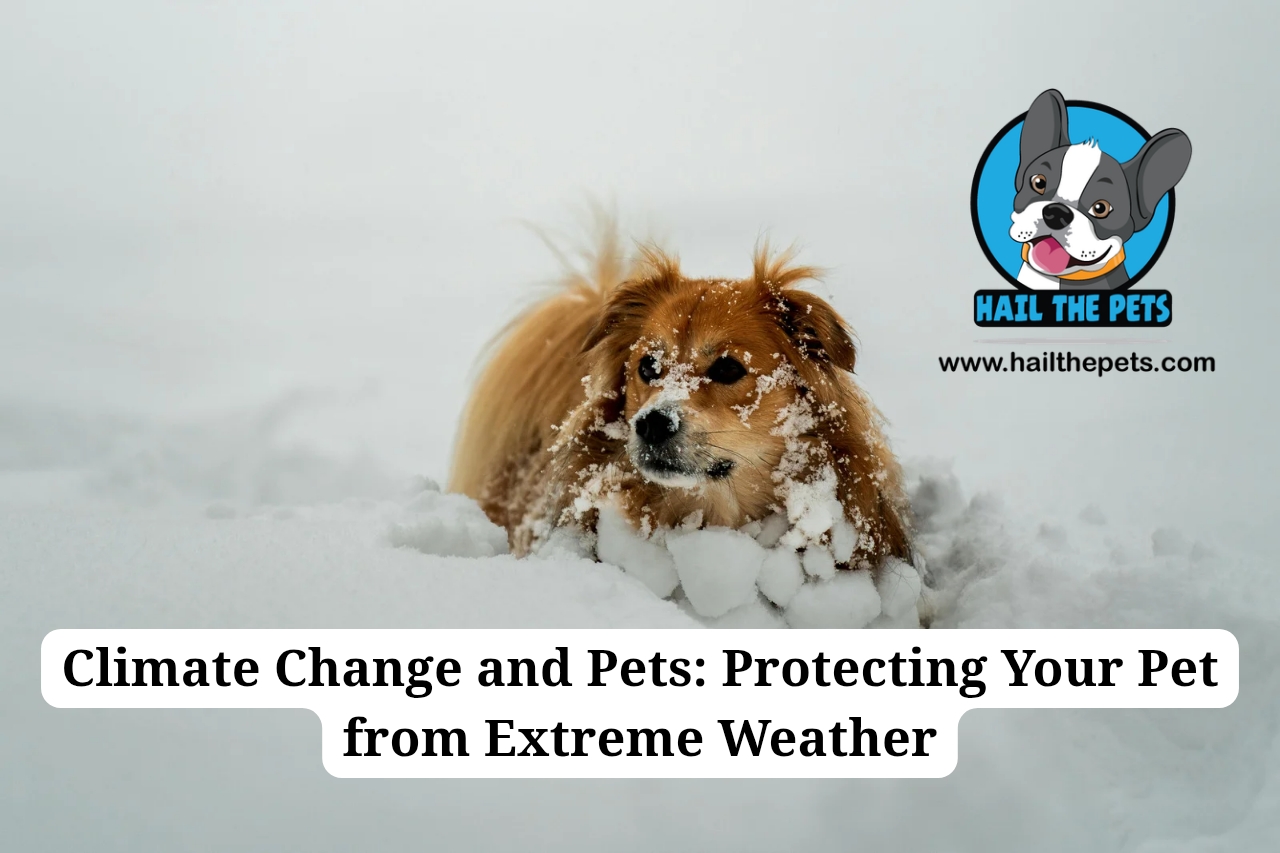
Sarah lived in America with her golden retriever, Milo. Her life felt peaceful until one July afternoon when the sky turned dark without warning. The wind roared and dust filled the air. The temperature dropped in minutes. Milo trembled and hid under the bed. Sarah held him tight as the storm slammed against her windows.
She had never seen such sudden weather shifts before. She kept asking herself what went wrong. Milo kept shivering. She realized something painful that day. Our pets feel climate stress even before humans do. They sense danger and react faster. They fear the unknown just like we do.
Read more: Essential Winter Tips for Keeping Your Backyard Chickens Healthy – September 2025
That afternoon changed Sarah forever. She started reading about climate change and pets, and the more she learned, the more she understood the reality around her. Emotional, right? And frightening too. The weather was no longer predictable. It was no longer slow. Milo needed protection just like all pets do.
Extreme weather is rising everywhere. Heat waves hit harder. Winters turn brutal. Storms arrive without warning. Our pets suffer quietly in the corners of our homes. That is why talking about climate change and pets matters so much today.

Protecting your Pet from Extreme Weather
The world is heating up. Storms are stronger. Winters swing wildly. Every shift affects our furry, fluffy, or feathered companions. Many pet owners still wonder why weather changes feel more intense for animals.
Their bodies react differently. Their stress response is faster. Some pets cannot regulate temperature well. Some cannot breathe well in polluted air. Some panic when storms roll in.
Read more: The Environmental Impact of Pets: Working Towards Sustainable Pet Ownership
Understanding climate change and pets is the first step. The second step is learning how to act. That action can save a pet’s life one day. So let’s explore the major weather factors that challenge pets today.
Pets in Heatwaves Safety
Heatwaves are becoming unbearable. They arrive fast. They stay long. They hit pets very hard. Heat can harm pets quicker than humans expect. Some pets pant heavily. Some collapse. Some lose consciousness. Heartbreaking, right? But it’s real.
Have you ever seen a dog struggle on a hot day? Their paws lift off burning pavements. Their tongues dry out. Their breathing becomes sharp. A heatwave can destroy a pet’s health in minutes. Cats hide under beds. Birds stop chirping. Rabbits refuse food.
Real-life example? A family in Atlanta lost their cat due to dehydration during a heatwave. They didn’t even know the heat index was unsafe that day. Their home felt cool to them. But not to their pet. Pets cannot cool themselves like humans. The Humane Society warns that rising global temperatures expose pets to serious heatstroke risks.
Read more:10 Fun Brain Games for Dogs: Keep Your Pup Mentally Stimulated and Happy – July 2025
The lesson is awareness saves lives. Pet owners must watch heat patterns closely. They must understand that during pets in heatwaves safety situations, small steps matter. Hydration matters. Shade matters. Early recognition matters most.
Climate change and pets is not just a headline. It affects every moment of a pet’s life, from outdoor walks to indoor comfort. So pets remain vulnerable. It’s scary, right? But knowing this gives you power. Your pet depends on that power.
Cold Weather Pet Care
Winters feel different now. Some days freeze unexpectedly. Some mornings turn icy. Pets feel these temperatures drop fast. Older dogs shiver. Cats curl tighter. Birds fluff feathers too long. Rabbits hide in corners.
Think about a pet who sleeps near a window. If the weather dips at night, cold air hits them first. Their bodies react instantly. Tremors show up. Stiffness follows. Pain increases. Cold weather hides stress silently.
A real-life moment? My neighbor’s Labrador refused to walk one icy evening. He simply sat on the porch. His paws hurt. His joints tightened. They thought he was lazy. But he was freezing.
Read more: Understanding the Risks: Bird flu transmission to Pets and Humans – September 2025
Climate unpredictability worsens these moments. Some nights become extremely cold without warning. That’s where cold weather pet care truly matters like warm bedding and safe heating. Paw protection. Quick drying after wet walks. Emotional reassurance because pets get scared when temperatures swing too fast.
Here’s something important. Older pets face double trouble. Their bones weaken. Their muscles stiffen. The cold hits them harder. Keeping their environment stable is essential. Climate instability makes winters unpredictable. But your preparedness can keep them warm, safe, and calm.
Awareness of climate change and pets helps owners plan smarter. Preparedness can keep pets warm, safe, and calm even when extreme temperatures hit unexpectedly.
Air Quality Effects on Pets
Air quality drops during wildfires, smog waves, pollution peaks, and dust storms. Pets inhale pollution deeper than we think. Their lungs are small. Their breathing rate is faster. Their exposure is higher.
Have you ever watched a dog sneeze repeatedly during smog season? Or seen a cat paw at its nose? These are early signs of respiratory distress. Birds suffer the most. Their air sacs make them sensitive to smoke and dust.
Read more:Common diseases in Persian cats: Signs, symptoms and preventive treatments – January 2024
Climate change worsens air pollution. Heat increases ground-level ozone. Storms lift dust. Wildfires spread smoke everywhere. So yes, air quality effects on pets are real. And intense.
One family in Islamabad noticed their parrot went silent during a heavy smog week. The bird stopped singing. He became tired. Vets confirmed respiratory inflammation caused by poor air quality. The family had no idea indoor air could also become unsafe.
Emergency Prep for Pets
Unpredictable weather causes sudden storms, flooding, and unexpected winds. During the time of disaster, pets tend to panic. They are afraid at once. Their breaths become rapid; their movements are erratic.
One such heart-wrenching real-time example is the flood situation in Pakistan in 2022. Many pets were left behind as doors jammed and streets filled much before anything could be done. People ran for their lives, while the pets cried for help. A few were rescued days later, but many never reached their families.
Read more: Botulism in Ducks: Signs, Causes, and How to Treat It- August 2025
This is why emergency prep for pets is so important. Climate-driven disasters require quick action, but quick action is only effective when preparation exists. It begins with understanding your pet’s behavior. Some pets freeze in fear, some hide, and others attempt to run away. Recognizing these responses is essential.
Keeping emergency supplies ready helps immensely. Important documents should be organized and accessible. Leashes should be easy to grab. Carriers should be visible and ready for use. Most importantly, stay calm. Pets sense our energy immediately, and a composed owner can reassure them.
Read more: Prebiotics and Probiotics for Horses: Enhancing Digestive Health – September 2025
Emergencies can frighten animals deeply. Thunderstorms shake them. Rising water terrifies them. Heatwaves can choke them. Proper preparation eases their fear and becomes a vital shield for their safety.
Climate Impacts on Pet Health
Climate change affects more than just weather. It affects pets’ health in multiple ways. Heat, cold, air quality, stress, food, and hydration all influence their well-being. Pets feel these changes in surprising ways.
Some pets lose their appetite. Others overheat quickly. Many develop anxiety. Climate shifts also affect mood patterns. Storms can cause panic, heatwaves increase irritability, cold triggers pain, and poor air quality leads to lethargy.
Learn more: Discovering Birds with Red Heads: 5 Breeds to Know
For example, a friend’s senior cat began limping every winter. It was not only due to age but also sudden cold snaps. Her muscles reacted immediately, and her mood declined. The veterinarian confirmed that temperature instability was the main trigger.
Thus, climate impacts on pet health are not only physical. They are emotional, psychological, and behavioral. Long-term climate stress weakens immunity. Pets fall sick more often. Their responses slow, and fatigue sets in faster.
Have you ever noticed your pet staring at the sky before a storm? They feel the change in atmospheric pressure. It triggers some instincts in them, and they become stressed even before it registers with human beings.
Natural Disaster Pet Safety
Floods and hurricanes are getting worse every year. Cyclones and storms are more frequent than before. Earthquakes are also happening more often. Pets are naturally afraid of loud noises. They are scared of isolation and sudden movements. During disasters pets panic. Panic makes them unpredictable.
During the Bangladesh cyclone, for example, the families wanted to leave with their pets as well. Yet, some shelters would not allow animals inside, leaving several of them outside. Many got lost that never reached their owners again.
Check out: Colic in Horses: Recognizing Symptoms and Preventive Measures – September 2025
This emphasizes the very crucial element of natural disaster pet safety. The owners have to be familiar with shelter rules and routes for evacuation. Carriers should always be ready, and pets should be trained to listen to voice commands even in stressful conditions.
Training is paramount. The essence of practicing calm calls in non-emergency times is that it will help them in an actual crisis. Safety also involves microchipping, updating ID tags, and using familiar carriers to reduce stress.
Read more: Adopting A Senior Cat: Rewards and Responsibilities – June 2025
How Changing Seasons Affect Daily Pet Routines?
Seasonal shifts are now more dramatic than ever. Days turn hot too quickly. Nights turn cold too suddenly. Pets feel these swings in their routines. Their eating changes. Their sleep changes. Their mood shifts too. Climate change disrupts the natural rhythm they rely on.
Think about a dog who loves long walks. A heatwave cuts those walks short. A sudden cold spell stops outdoor play. A smoggy day traps them inside. These interruptions affect their energy. They affect their behavior and mental health.
Read more: Understanding the Risks: Bird flu transmission to Pets and Humans – September 2025
Conclusion
We live in unpredictable times. The weather shifts fast. Storms appear suddenly. Heatwaves grow longer. Winters hit harder. Pets face these challenges daily. Understanding climate change and pets is no longer optional. It is necessary. It is vital and life-saving.
Your pet depends on you. They cannot speak. They cannot prepare. They cannot plan. They rely on your awareness. They rely on your choices. So protect them through knowledge, action, through calm decisions, and through love. In the end, climate change and pets is more than a topic. It is a responsibility. Your pet trusts you with their world.